Aquatic Species Restoration Program
2025 progress report
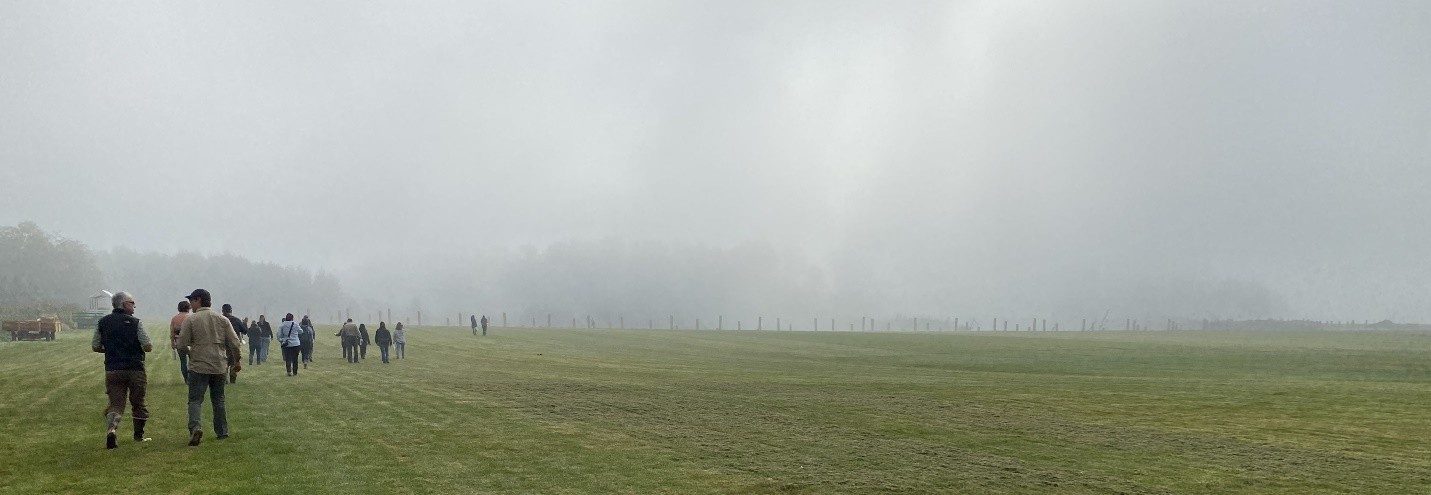
State engineers and environmental planners visit the Stillman Creek restoration project in Lewis County two years after construction. This project is highlighted in our report. Photo: Washington Department of Fish and Wildlife
This progress update for the Aquatic Species Restoration Program (ASRP) highlights this year’s actions and activities to restore and protect aquatic habitat in the Chehalis River basin.
Table of contents
Project implementation: progress and accomplishments
Science, monitoring, and adaptive management
ASRP and the Chehalis Basin Strategy
Project implementation: progress and accomplishments
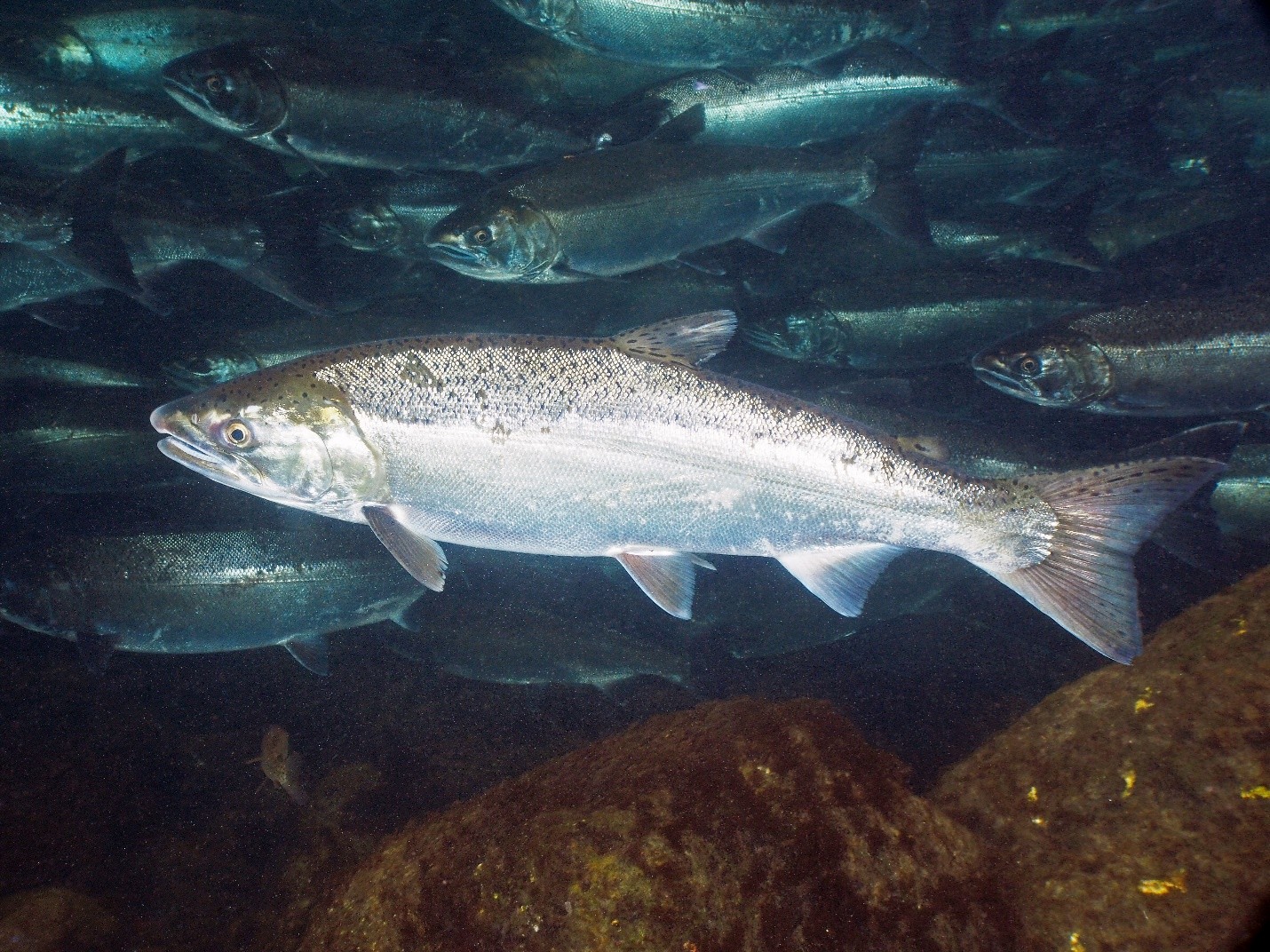
To support the Chehalis Basin Strategy, the Aquatic Species Restoration Program is focused on bringing back natural processes that shape aquatic habitats for fish, frogs, and other species. Salmon species, for instance, need wide bands of tall trees along stream and riverbanks to provide shade and bugs to eat while fallen logs offer places to lay low and keep cool. We work in close partnership with willing landowners to restore river system processes and aquatic habitat. These projects include:
- Planting native vegetation
- Enhancing wetlands and floodplains
- Placing wood in and along streams and rivers
- Installing engineered log jams and other structures to attract and benefit wildlife
- Using bio-engineering techniques to slow eroding banks
Since 2016, the Washington Legislature has invested more than $83 million to develop, design, and put projects in place that benefit aquatic life in the basin.
See how progress has been made in each county in the map below.
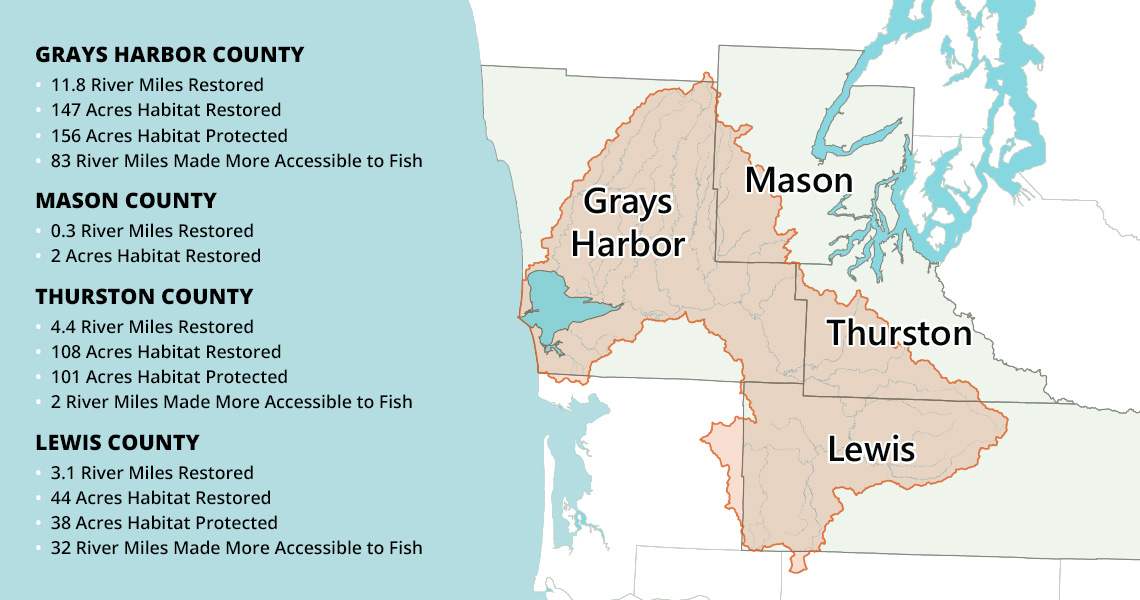
In 2025, the Chehalis Basin Board invested nearly $12 million for habitat restoration and projection projects.
The Aquatic Species Restoration Program’s prioritization and sequencing approach has guided over 90% of its project funding to geographic areas that are near-term priorities. Within these highest priority areas, the plan has helped:
- Restore 16.5 miles of river and stream habitat
- Correct the highest priority fish passage barriers improving access to over 40 miles of stream habitat
- Control over 1100 acres of invasive plant species and planted over 300 acres of native vegetation along river banks
- Install ponds and manage wetland vegetation to support breeding and overwintering habitat for threatened Oregon spotted frogs in Thurston County
- Restore over 250 acres of floodplain habitat, often providing additional benefits for communities
It will take rapidly increasing investments to fully support the 30-year restoration plan while continuing to build the capacity of project sponsors and contractors to put projects on the ground through at least 2030.
In addition, the restoration program will continue to move forward while the Board evaluates which flood-control elements are needed to put the long-term Strategy in place.
In 2025, the restoration program’s steering committee recommended funding several new projects. These include:
- Developing a watershed-level restoration strategy and prioritization for the Black River basin and Grays Harbor estuary
- Protecting wetlands along several tidal sloughs in Grays Harbor
- Restoring habitat function to more than two river miles
- Development of designs for restoring over 10 miles of river throughout the Chehalis Basin
ASRP goals
Aquatic Species Restoration Projects approved, 2015-present
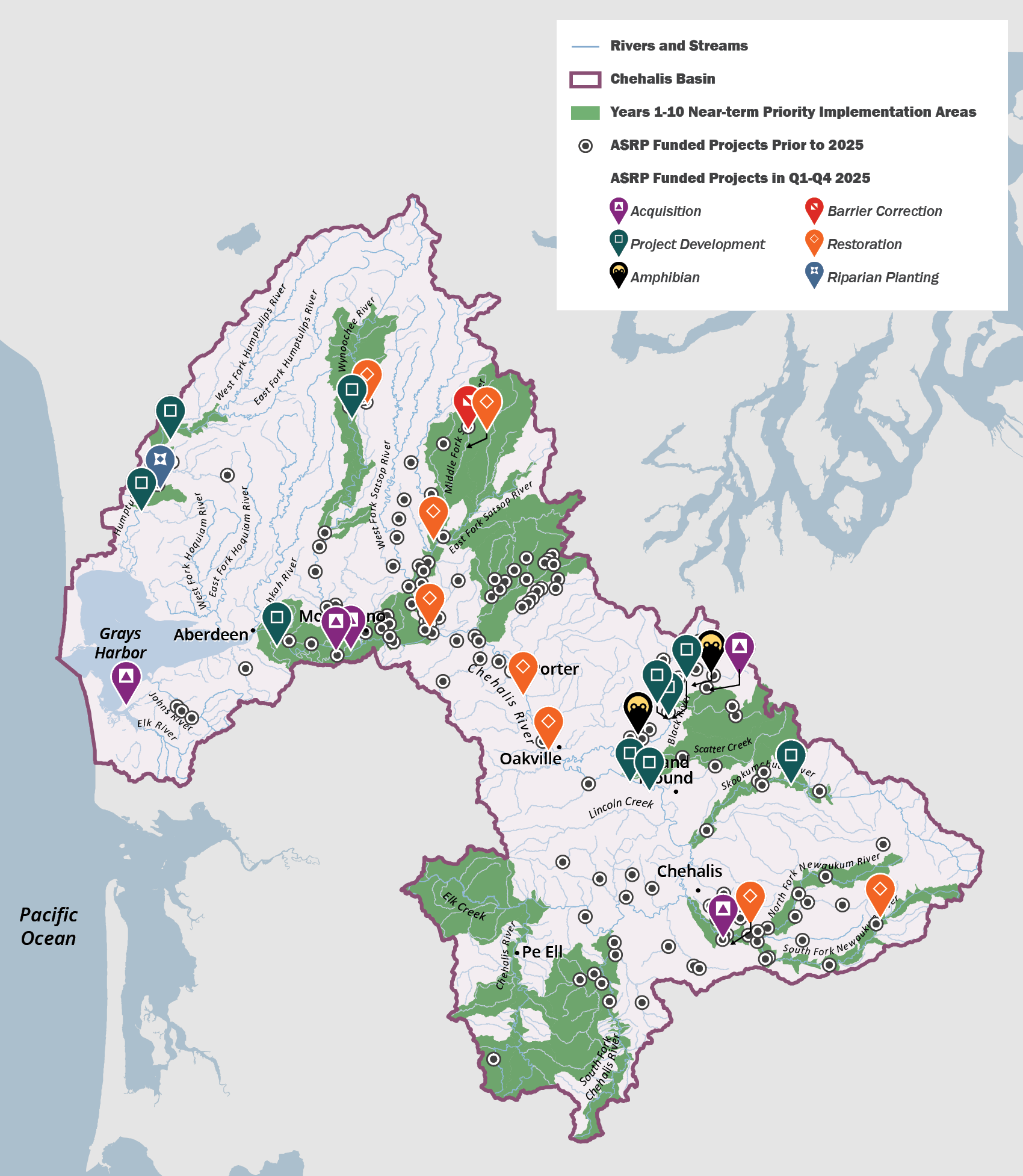
Want to learn more about the projects shown here? Please visit the Salmon Recovery Portal Map and filter projects using the Aquatic Species Restoration Program tag.
Featured project: Schafer Creek river mile 8 to 9
This was definitely a different project type to problem solve (compared to for example a planting project), which made the project pretty interesting to manage. We had to figure out how to source large amounts of pre-commercial thin material for brush bundles and how to efficiently move them around the site. A lot of what we learned, such as using hi-line systems for materials moving, we will be able to apply for future projects.
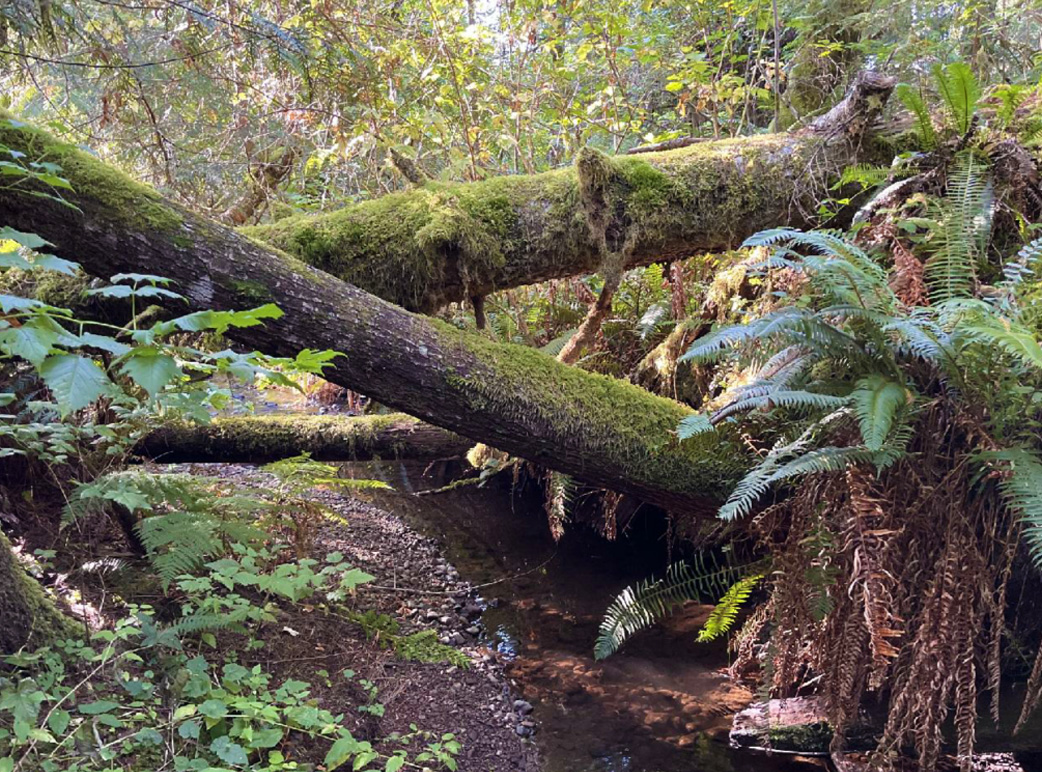
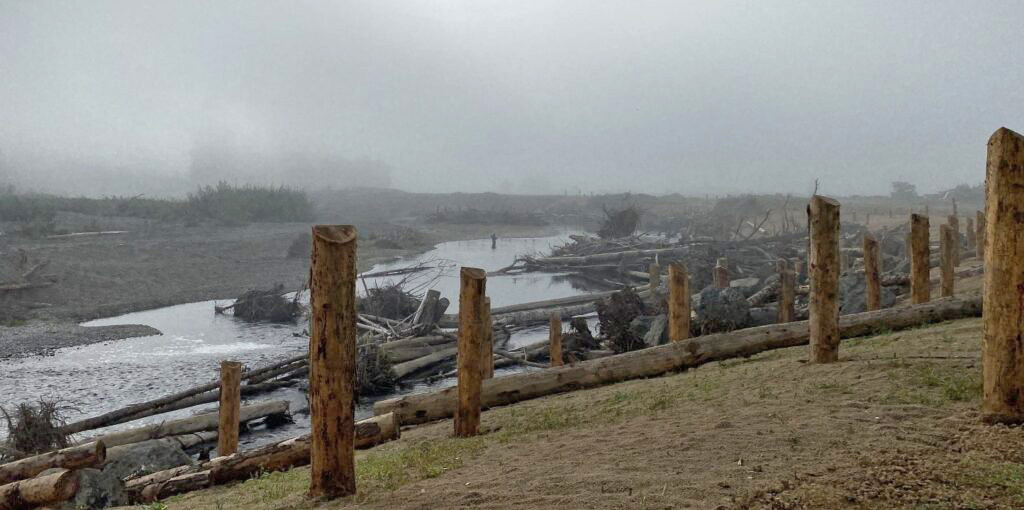
Pre-project conditions (structure 92 location): perched wood; lack of in-stream functional wood; reduced sediment/water storage; reduced habitat complexity.
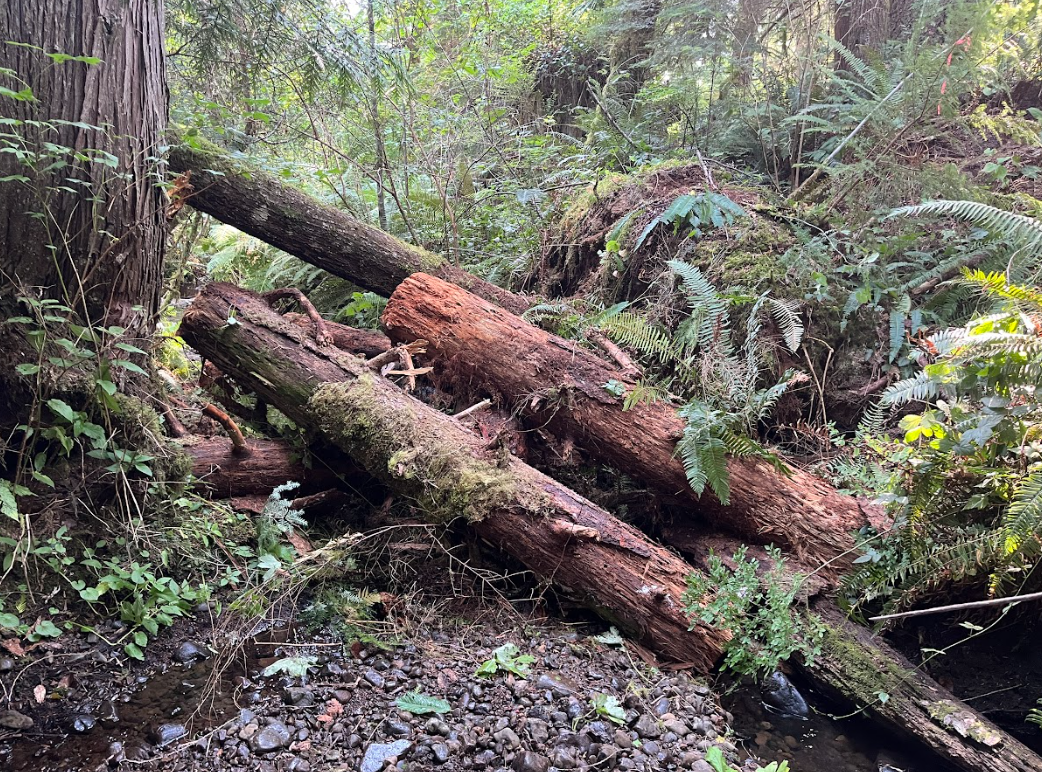
Post project conditions (structure 92): wood engaged with channel providing complexity.
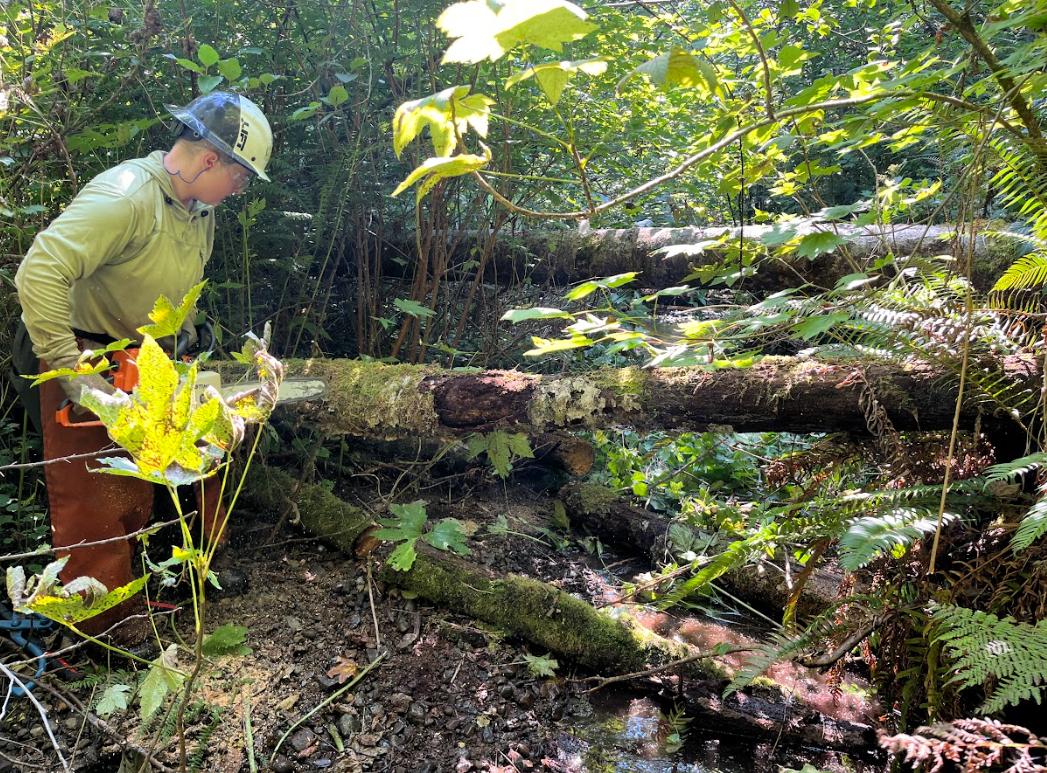
Grays Harbor Conservation District Crew Lead Amy Scherer chainsawing perched wood to add to in-stream woody debris structures.
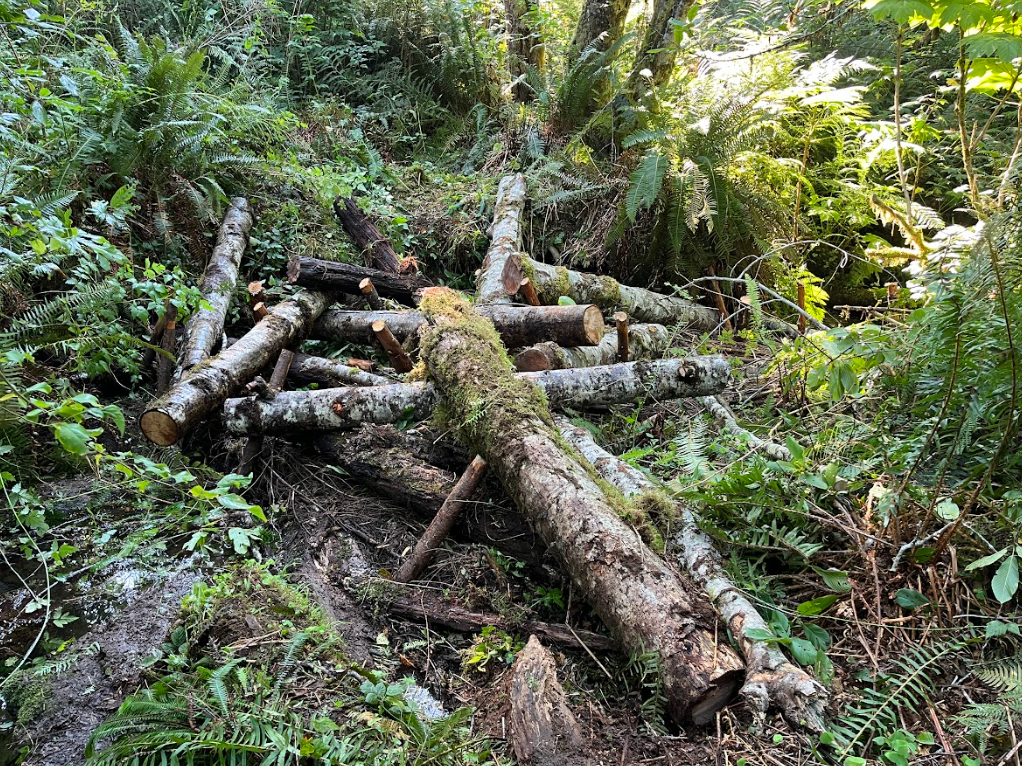
Completed Post Assisted Log Structure with large wood incorporated to provide additional complexity and ballast.
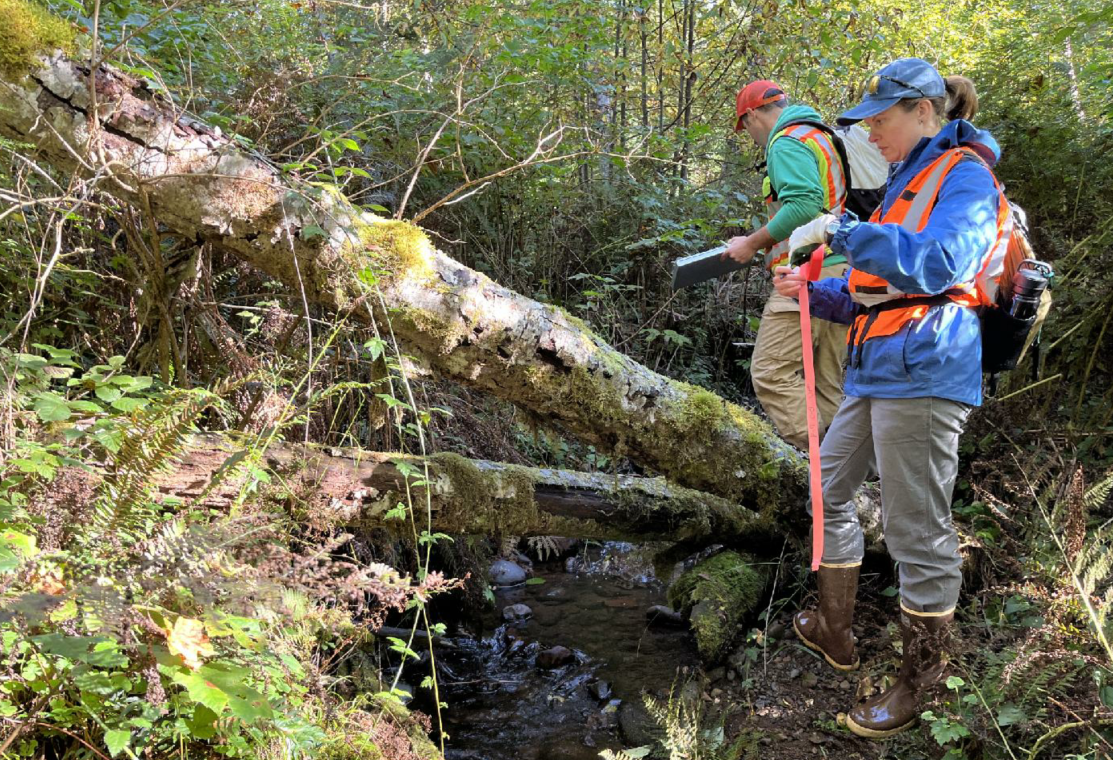
Alex Gustafson (Trout Unlimited) and Jeff Mach (Grays Harbor Conservation District) developing the plan for construction of structure 94 that will incorporate the perched wood.
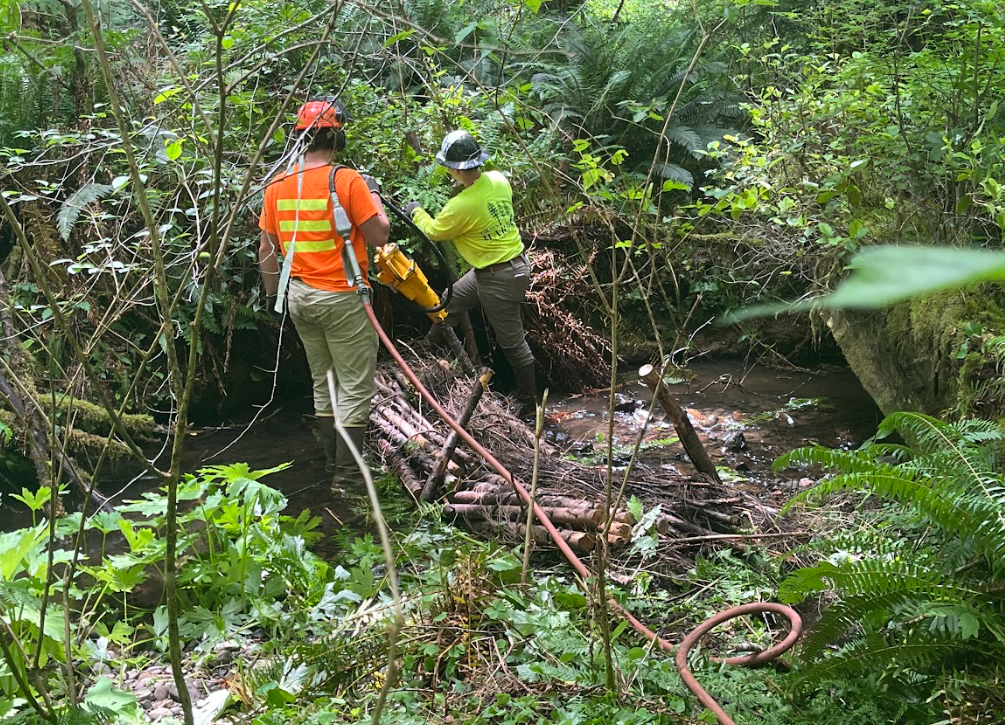
Grays Harbor Conservation District crew using a pneumatic post pounder to install posts.
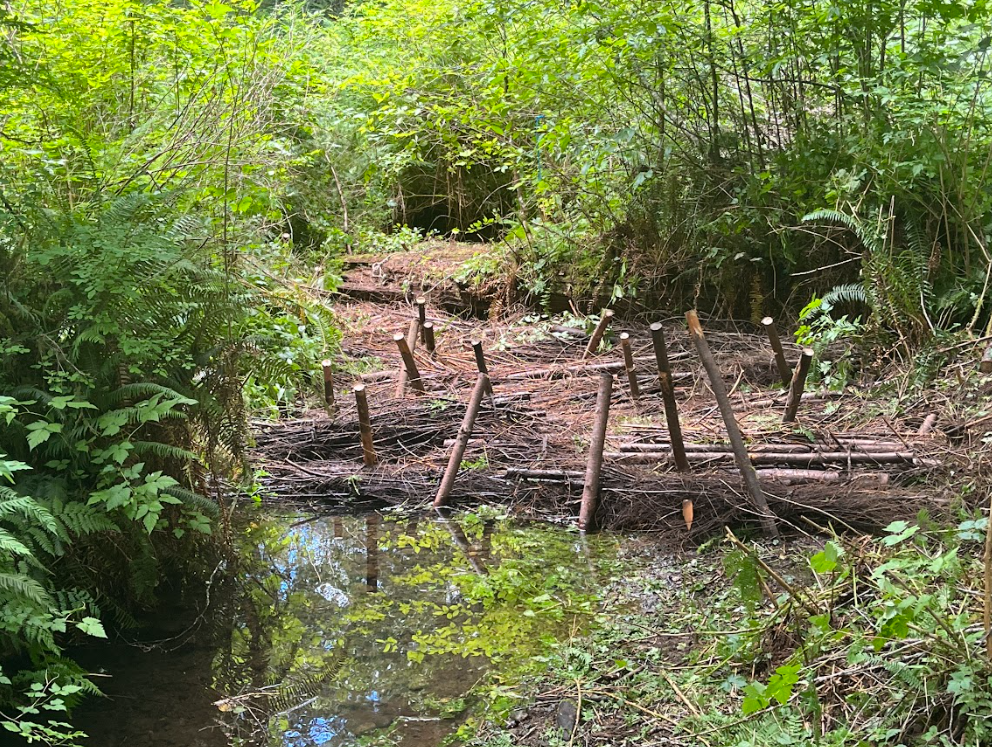
Completed Post Assisted Log Structure (pre-large wood supplementation).
Program development
Process improvements
The Aquatic Species Restoration Program helps expedite funding decisions for restoration projects by streamlining and coordinating administrative oversight and reviews.
Projects are prioritized using the best available science to ensure they provide the most benefits for native aquatic species and their habitats.
We refined the project approval process in 2025 to promote better information sharing and improve how projects are developed. This means many projects currently being designed will be ready to be built during the next five years.
Project sponsors, technical experts, and community members gather at Riverbend Ranch in Thurston County where a host of restoration activities have been completed. Attendees learned about the precautions we can take to protect freshwater mussels and other streambed habitats. Photo: Washington Department of Fish and Wildlife
Estuary
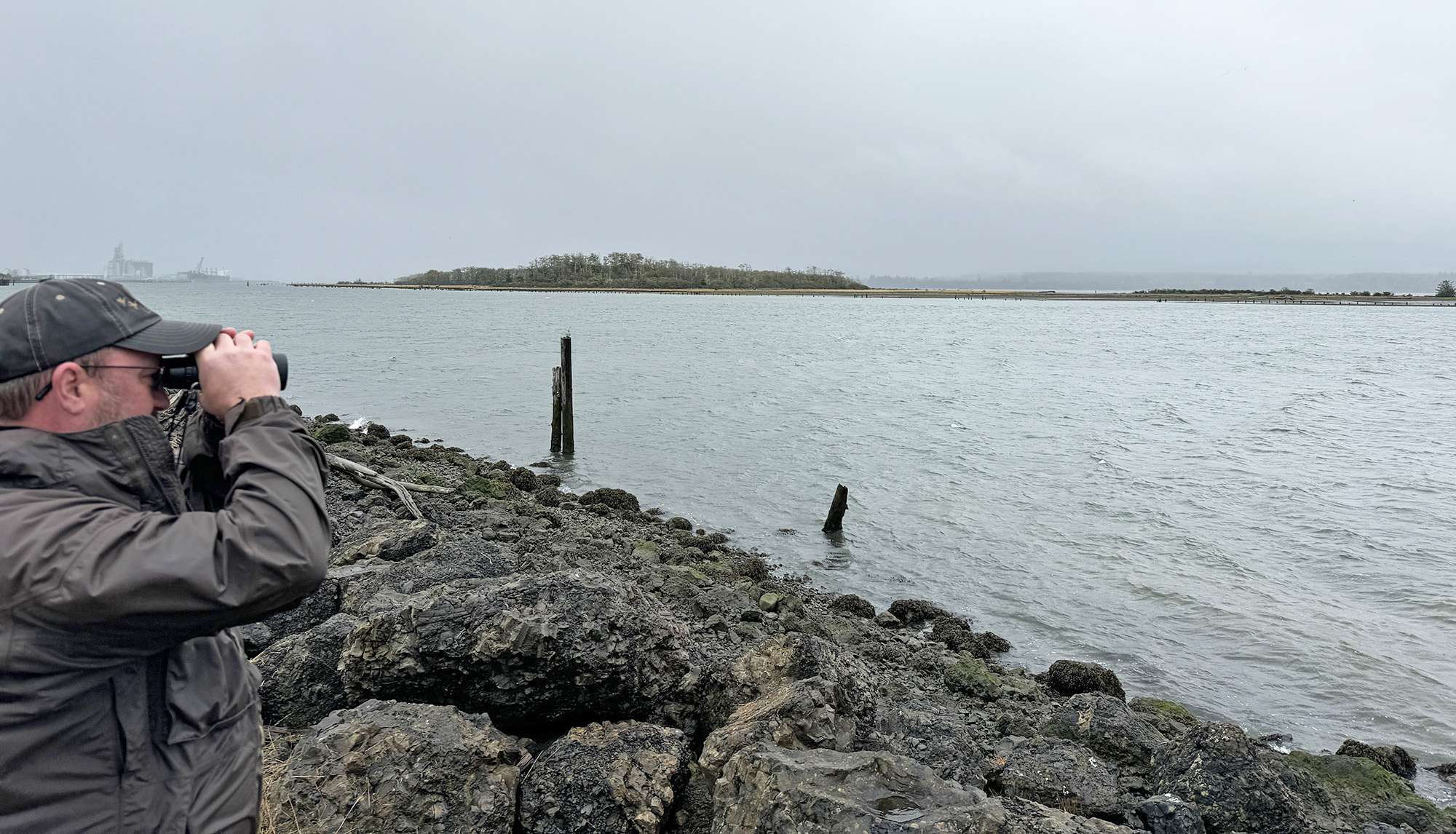
Estuaries are complex, dynamic “in-between” habitat areas where freshwater from the basin’s rivers and streams meets and mixes with marine waters from Grays Harbor and the Pacific Ocean. Estuaries are important feeding and transition zones for salmon, lamprey, and shorebirds, and provide shelter for native eelgrass and a host of shellfish species.
In 2024, we began to focus on understanding the Chehalis River estuary better. This includes building more knowledge about current ecological conditions and identifying the highest priority actions needing to be taken for restoration. We also developed interim guidance to help project sponsors focus their efforts.
As we move into 2026, project sponsors will be working with local partners and technical experts to develop protection and restoration strategies for the Chehalis River estuary.
Science, monitoring, and adaptive management
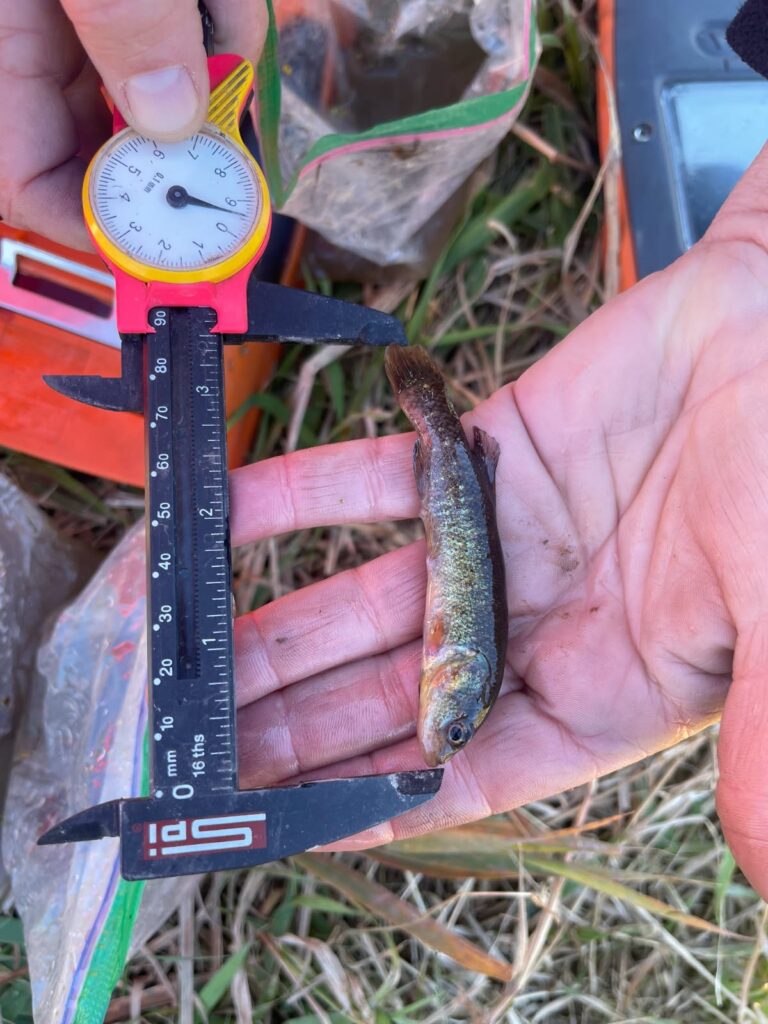
The technical advisory group supports the steering committee by conducting studies and research in the Basin. Advisory group members also apply scientific findings from other rivers basins across the state, and provide recommendations for consideration.
Scientific monitoring informs how restoration plans and projects in the basin are developed and put in place, often using adaptive management principles.
Each year, advisory group members collect and review new, emerging information gained from monitoring projects in the river drainage system as well as science knowledge gleaned from studies conducted outside the Basin, such as intensively monitored watersheds. These studies and technical information help the steering committee make adaptive management recommendations to the Chehalis Basin Board. (2021 Monitoring and adaptive management plan)
In 2025, the steering committee oversaw 12 different monitoring studies that are enhancing the Aquatic Species Restoration Program and building a better scientific understanding of the Basin. Past reports and other scientific information are posted on the Office of Chehalis Basin website.
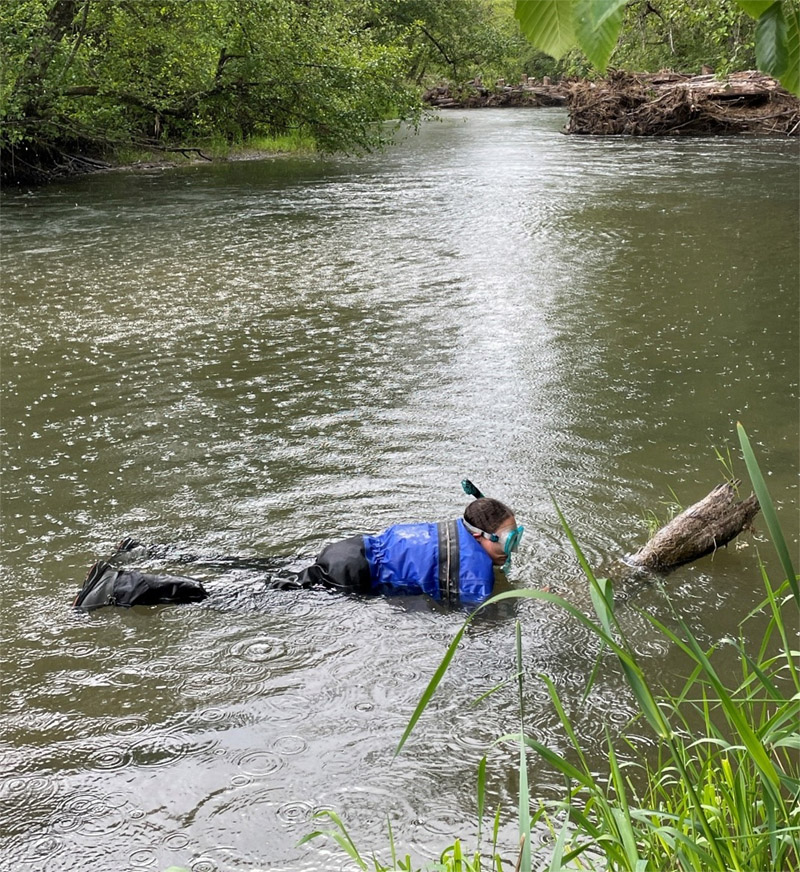
The results of ongoing monitoring studies inform adaptive management of the ASRP.
Adaptive management
In 2025, scientists and restoration specialists worked together to better understand and restore the different types of aquatic ecosystems in the Chehalis Basin. They conducted meetings and workshops focusing on specific needs and strategies including:
- Chinook salmon in the upper Basin
- Rivers with headwaters in the Olympic Mountains
- Wetlands, Black River and Scatter Creek watersheds, and Oregon Spotted Frog
- Grays Harbor estuary
In addition, scientists, restoration experts and local partners assembled in focus groups around these issues and geographic areas at the annual Progress & Planning Workshop. These focus groups have continued to meet intermittently throughout the year to continue making progress.
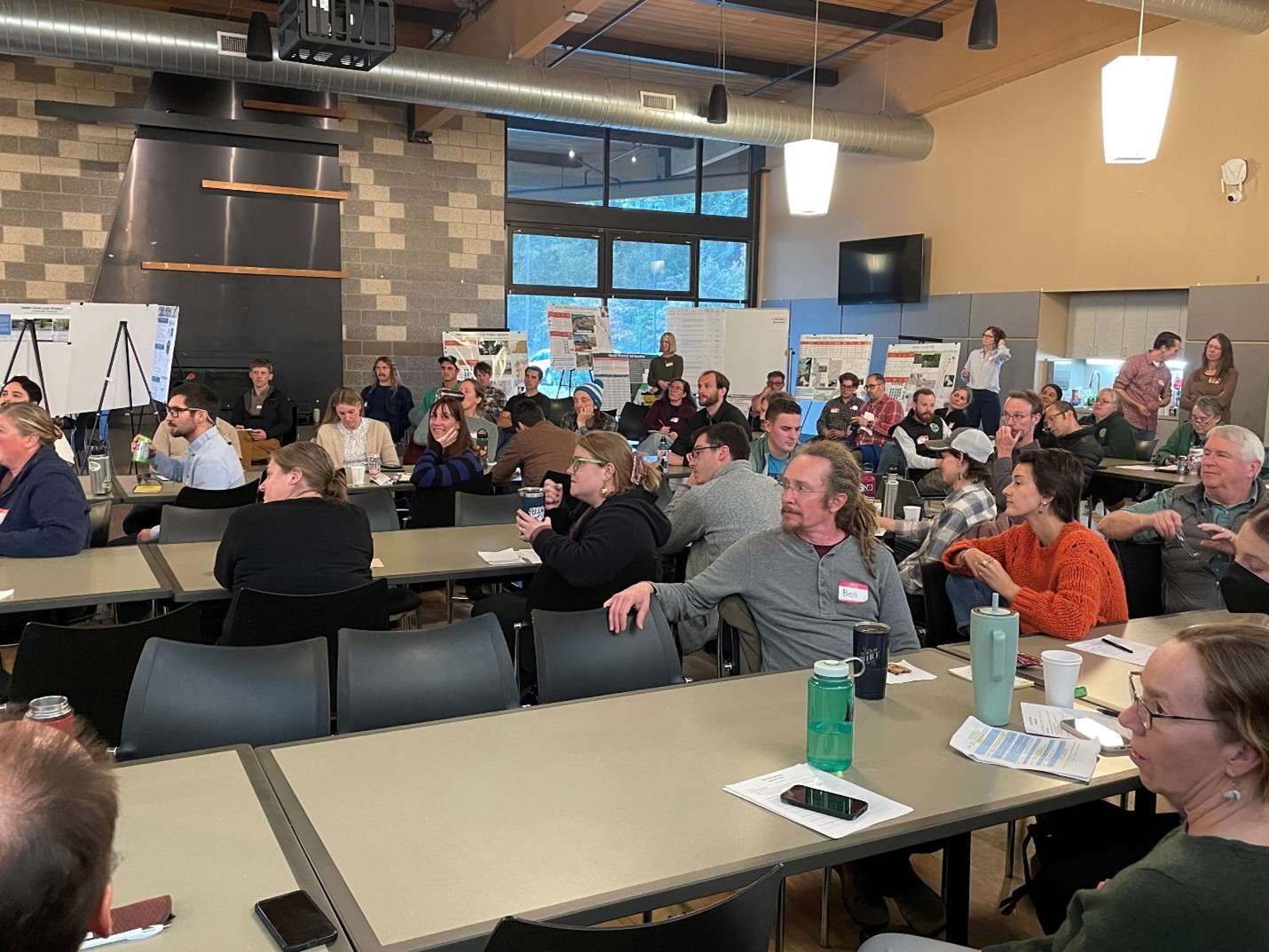
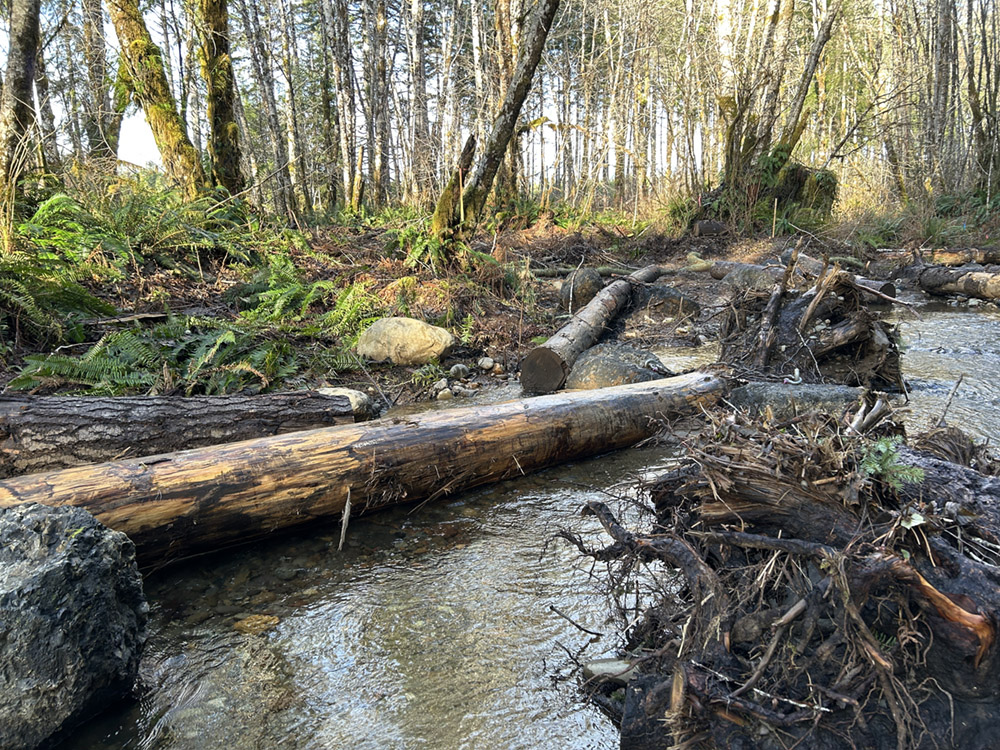
The program incorporates new scientific findings to address complex challenges including:
- Assessing restoration projects at various stages to assess whether they are working as expected.
- Developing a restoration and protection strategy for the Grays Harbor estuary including community involvement.
- Evaluating stream flow and water availability in Black River and Scatter Creek wetlands in Thurston County and its effect on fish species and Oregon spotted frogs.
- Building better knowledge base about habitat needs and influences on spring Chinook at its different life stages in the Newaukum and Skookumchuck watersheds in Lewis and Thurston counties.
Community involvement
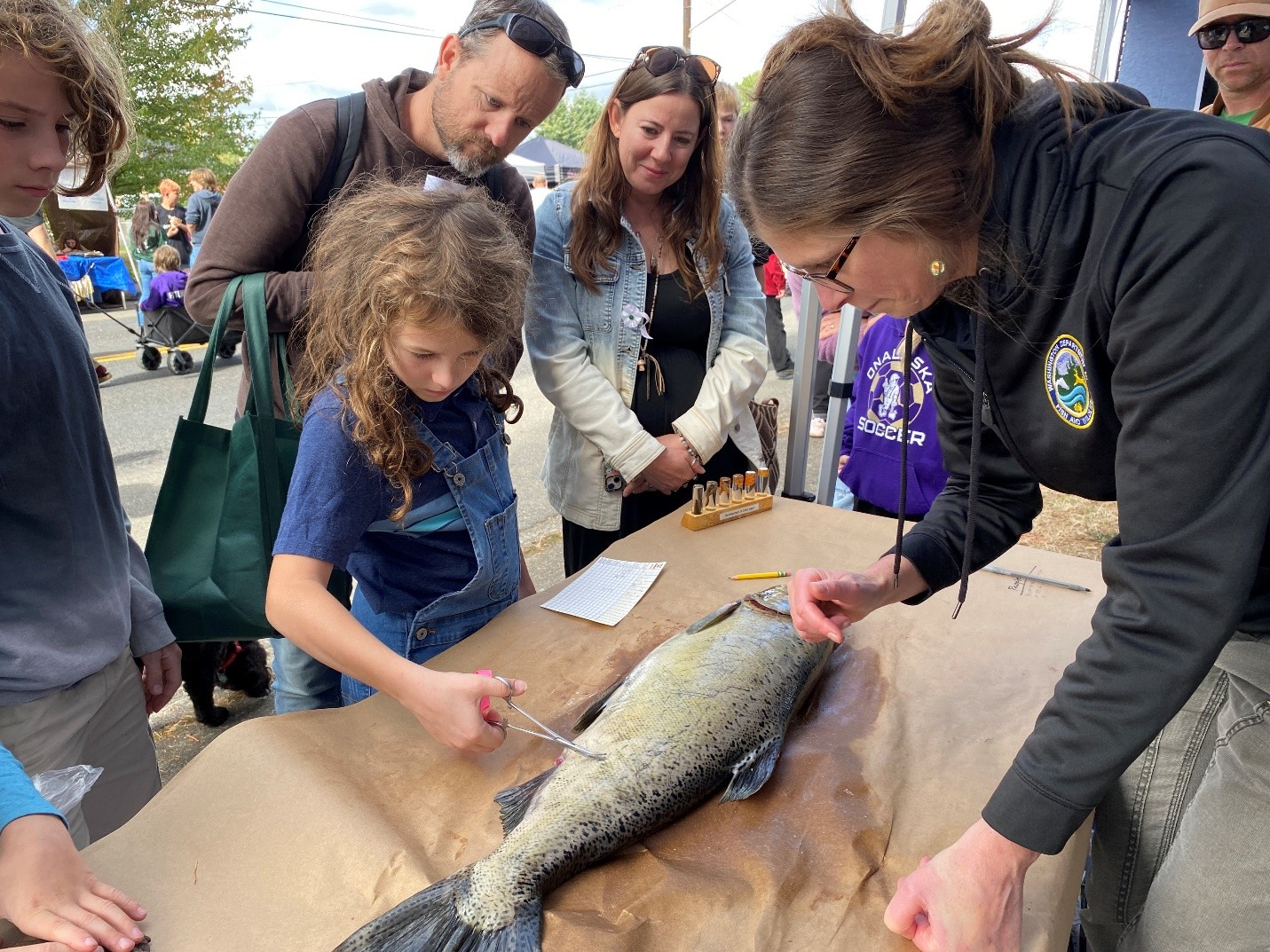
To identify opportunities and ensure restoration projects align with community needs, local conservation districts guide outreach to local landowners as well as coordinate with project sponsors.
2025 events
Curious about upcoming events near you? Click the button below to check out a 2026 calendar.
ASRP and the Chehalis Basin Strategy
The Chehalis Basin Strategy represents an innovative, collaborative, and forward-looking network of partners tackling complex management actions and activities.
The ASRP continues to advance restoration projects that dovetail with other Office of Chehalis Basin programs. Integration of elements across programs is already in action:
- The Chehalis Basin Strategy Report describes the integrated long-term plan to improve aquatic species and reduce flood damage, updated by this year’s Chehalis Basin Strategy 2025 Year in Review.
- The Erosion Management Program promotes the use of natural materials in bank protection to maintain and improve stream and riparian habitat while also slowing erosion.
- The Multi-Benefit Acquisition Program (MAP) supports projects reducing flood damages and improving habitat for aquatic species.
In 2026, the Chehalis Basin Board is evaluating multiple options for a long-term Chehalis Basin Strategy that reduces flood damages across the basin while restoring aquatic species, including deciding between different funding levels for the ASRP. The ASRP will continue to be an essential part of the Strategy no matter which option the Board chooses.
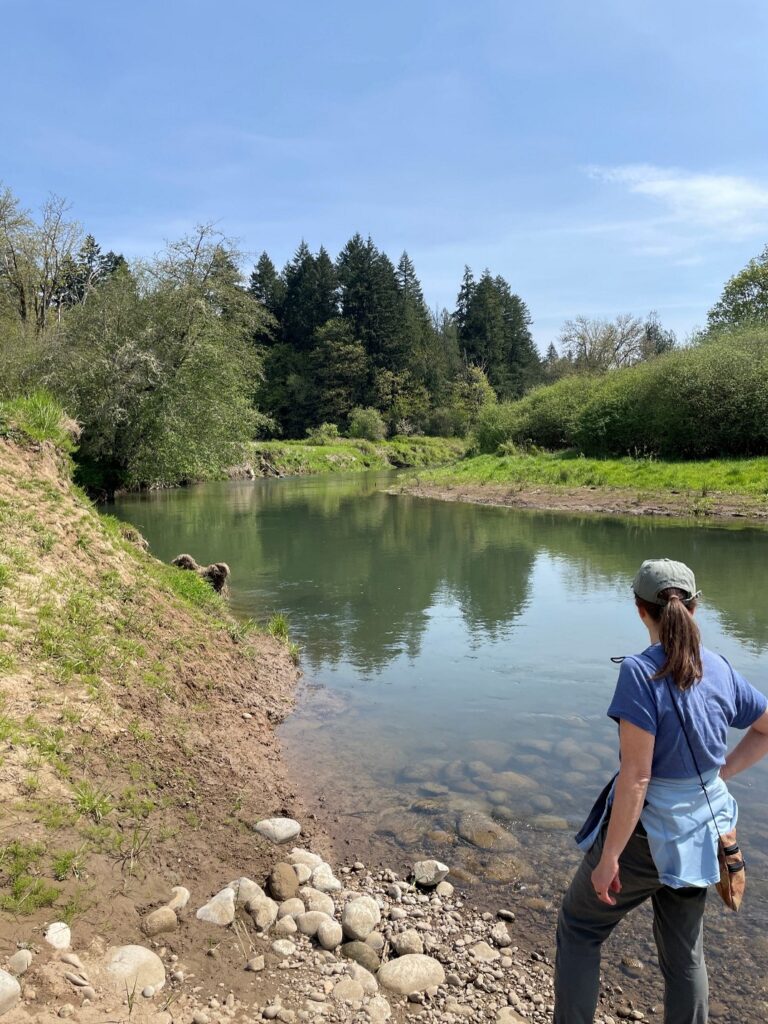

Aquatic Species Restoration Program playing pivotal role
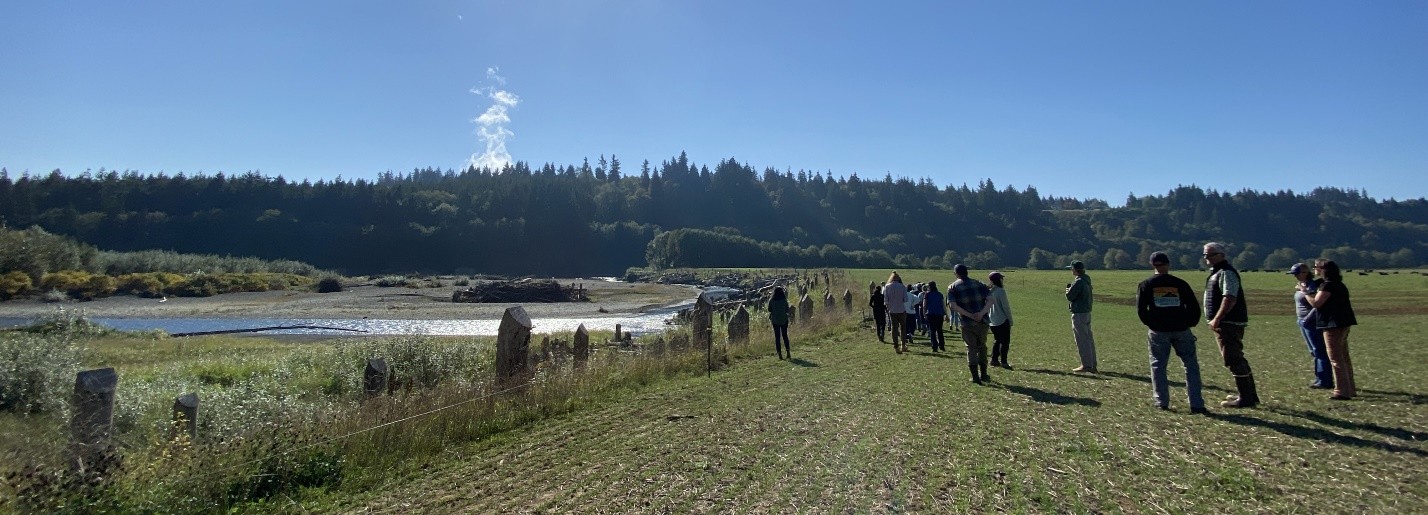
Climate change, harmful land use practices, and uncoordinated human development all threaten sensitive aquatic life in the Chehalis Basin. People, communities, and infrastructure can adapt to the intensifying effects of climate change, but fish, frogs, and other wildlife need more help.
While the Aquatic Species Restoration Program helps address these needs throughout the Basin, we need to ramp up funding and planning actions to keep pace with the Basin’s 30-year plan to restore aquatic life.
In 2026, we will focus on ensuring the long-term success of the restoration program through planning, building capacity and actively engaging willing landowners and communities in the Basin.